Tuesday, 2 August 2011

NORTH BY NORTH WEST

CAPE WRATH the most north westerly point on the British mainland is one of those mystical places you only hear of on the shipping forecast,it is somewhere I have wanted to visit for years,I tried once before but the boat did not show; you can`t drive there,a ferry or tiny motor boat takes you across the Kyle of Durness for a fiver,and a big bloke from London called Andy takes ten quid a head to drive you to the cape in a mini bus that holds 16 people,a nice little earner?The funny thing was Andy turns up in full regalia kilt,dirk down the sock etc,I suppose it impresses the Yanks!It takes 45 minutes to drive to the lighthouse,an hour there and 45 minutes back,it didn`t live up to its name that day it was all benign and peaceful,I would have preferred a big blow to see how wrathful it could be.The usual seabirds were on the cliffs or doing a fly by and a few pilot whales and dolphins were seen sailing by an occasional dorsal fin breaking the surface.
ALL ABOARD THE SKYLARK

NEXT STOP CANADA

CAPE WRATH LIGHT

THE CAPE WRATH MOTORWAY!

ANOTHER VIEW OF THE CAPE
THE FOGHORN
ROCK STACKS CALLED THE CATHEDRAL

Back to the ferry landing stage and blow me down ,camera in bag for the crossing a Golden Eagle comes gliding by right over our heads,and hovers  for a few seconds,it was a sub adult bird and pretty tatty with flight and tail feathers missing,so not a very pretty boy.
A south facing grassy bank by the sea is always good to explore and  in bloom here were fragrant orchids and common twayblade.
FRAGRANT ORCHID

COMMON TWAYBLADE.

There was still plenty of time left before going back and the Dipper that had eluded me so far even though there is lots of suitable habitat was on the wanted list.The Borgie Forest nature reserve looked ideal,but no luck,but a family of spotted flycatchers provided a good photo opportunity.
SPOTTED FLYCATCHERS just out of the nest
 I wanted all three together but it was not to be,mum came back to feed them and they flew after her,I know my place.

A DAY ON THE BOG

Forsinard RSPB reserve is a wilderness of wild peat bog, a unique environment of which there is precious little left,14 miles south of Melvich it consists of a visitor centre and railway station a couple of houses a hotel and many acres of peat bog and lochans.The guided walk takes in a very small part of the reserve and birds were at a premium the day I was there,but the plants and scenery not forgetting the wet feet more than made up for it.
RED DEER IN THE DISTANCE.

BOG BEAN AND BEYOND

GREAT SUNDEW a flycatching plant.

ROUND LEAVED SUNDEW another insectivore.

GOLDEN PLOVER on a peat hump.
There were lots of meadow pipits in the area and one juvenile red throated diver,but unfortunately the hen harriers merlins and short eared owls were not around.
COTTONGRASS is a very common plant in the north of Scotland Nearby on a nearby forestry commision trail there was a large flock of redpolls feeding.
REDPOLL on the fence.
RED DEER STAG by the side of the road.

STILL THERE IN BLACK AND WHITE

My first encounter with Scrabster was in the long hot summer of 1976,en route to the Faeroe Islands not to watch a football match but to visit the outlaws!Anyway it was here where my first black guillemot was seen and they are still there and apparently thriving with a dozen feeding on small crabs in the docks.
BLACK GUILLEMOT look at those red legs, stunning.!!
From the harbour it was a shortish walk to Holborn Head with more sea stacks and views across to the Orkneys.

HOLBORN HEAD LIGHTHOUSE

THE ORKNEY ISLANDS ACROSS PENTLAND FIRTH

SCRABSTER LIFEBOAT

THE MOST NORTHERLY PALM TREES IN THE WORLD????? UNLESS YOU KNOW DIFFERENT.

NORTH SEA GIANT an oil support vessel- a real giant.

ANOTHER DAY ANOTHER BLACK GUILLEMOT.
If you are getting bored with this Scottish epic I apologise but theres more to come sorry.

Sunday, 31 July 2011

TWO HEADS ARE BETTER THAN ONE

The next trip out was to Dunnet Head,the most northerly point of mainland Britain,and Duncansby Head the most north easterly point.The former is an RSPB reserve with limited viewing of the sea cliffs but there is plenty of stuff flying by.On the way  one of the pools near the lighthouse was home to three red throated divers,and on the telegraph wires nearby was a small flock of twite.
RED THROATED DIVER

TWITE showing pink rump

TWITE in song
Moving on to Duncansby Head via John O Groats or should it be Grots,much better views of the seabird colonies here and special views of arctic and great skuas patrolling the cliff edges.
GREAT SKUA

GREAT SKUA

OYSTERCATCHER taking food back to its nest in the lighthouse garden.

GUILLEMOTS on the lower ledges.

LOOKING SOUTH FROM DUNCANSBY HEAD

RAZORBILLS tend to use the higher ledges.

PALE PHASE ARCTIC SKUA

ARCTIC SKUA

FULMAR CHICK.
And for those of you who like lighthouses........

DUNNET HEAD

DUNCANSBY HEAD.

PUFFINS GALORE

After getting to know the dogs and the immediate area I ventured a bit further afield and went to the puffin stacks on the border between Caithness and Sutherland,since my last visit there a couple of years ago numbers appear to have increased quite well.
PUFFIN STACK

PUFFIN

As well as the puffins there were razorbills,guillemots,black guillemots,shags fulmars,kittiwakes,bonxies,and the usual gulls to be seen here.

RAZORBILLS

Also of interest on the way to the cliff edge were heath spotted orchid,bog asphodel and a new butterfly for me a large heath.
HEATH SPOTTED ORCHID

BOG ASPHODEL
On the way back to Kirtomy I called at Armadale bay,where this buzzard was seen circling overhead.

Also there on the beach were four ravens,several ringed plovers and dunlinand a couple of common sandpipers

BUZZARD

RINGED PLOVER doing broken wing impression.
DUNLIN on the rocks
MEADOW PIPITS were very common all over the area
NORTHERN MARSH ORCHID.

Saturday, 30 July 2011

TAKING THE HIGH ROAD

I am back from my month in Scotland where I have been house and dog sitting for an old friend.Ileft on Saturday july 2nd and made it to North Berwick by mid afternoon ,my intention was to take a boat trip to the Bass Rock,home to the worlds largest gannet colony,just missed the 3o clock boat,the 4o clock boat was full and for the 5o clock Iwas the only taker so it was no go.I left the home of the Scottish sea bird centre cursing my luck,but worse was to come,got to Dunkeld on the Tay found a B&B paid the bill up front and strolled into town to replenish my wallet and have a couple of pints.The Bank of Scotland ATM  crashed with my card inside,not a good day ,however had enough for a pint,wrote the B&B a cheque got my cash back,so had enough to get to Thurso.
BASS ROCK from the shore

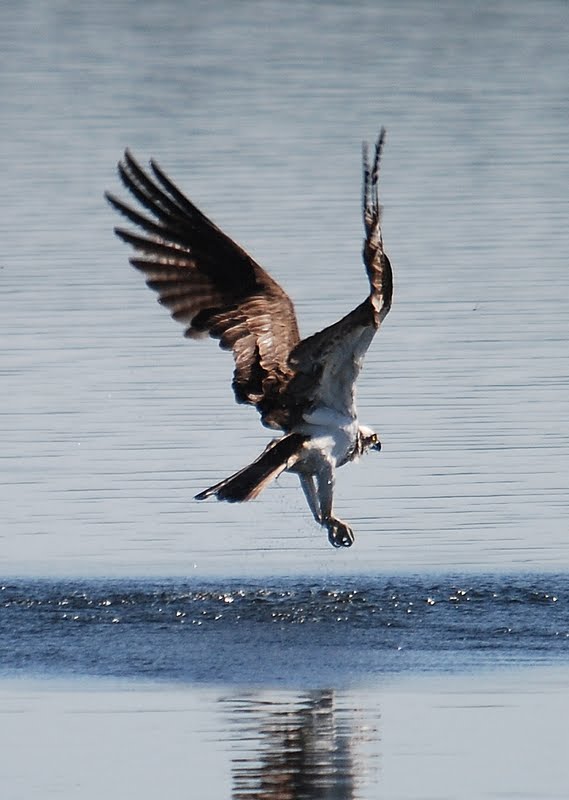
Before heading north I spent an hour at Loch of the Lowes reserve where there is an Osprey nest site,the birds had nested ,laid three eggs but none had hatched this year.Both birds were still hanging around and Iwas lucky enough to see the male bird fishing.

DIVE DIVE DIVE

LEAVING THE WATER FISHLESS

There were also several red squirrels at the feeders as well as the usual birds.
That is a taste of things to come there will be plenty more soon.